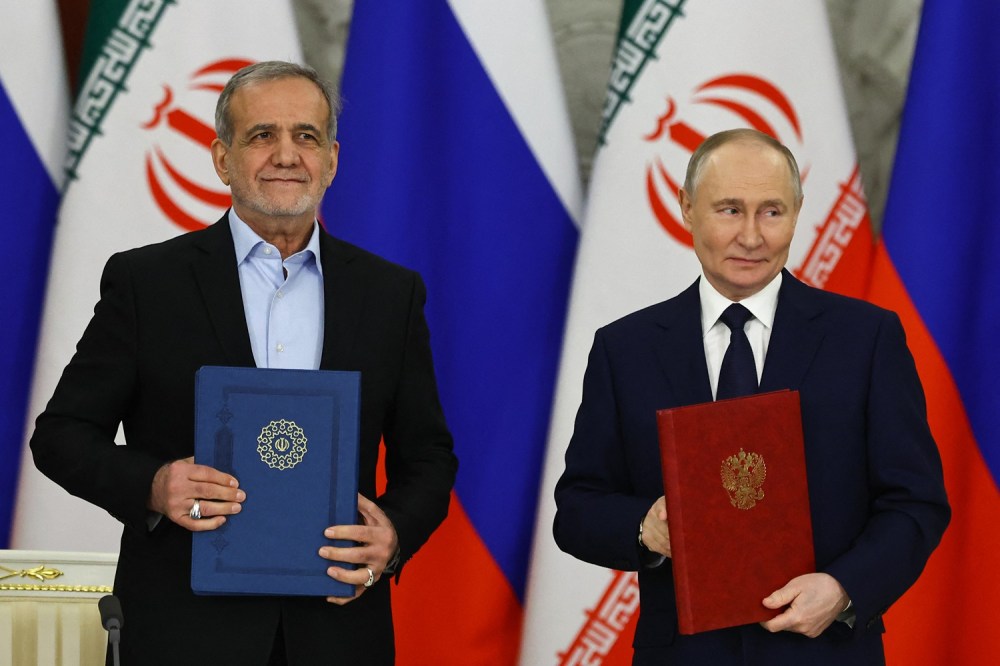
The Search for Russia-Iran Friendship: What Sources Say About Russland Iran Freundschaft
The relationship between Russia and Iran is a topic of intense geopolitical interest, often sparking discussions about the nature and depth of their ties. In an increasingly multipolar world, understanding alliances and partnerships is crucial, and the concept of "friendship" –
russland iran freundschaft – frequently arises in popular discourse. However, when one delves into official government statements and top-tier news analyses, the explicit labeling of this relationship as "friendship" can be surprisingly elusive. This article explores what readily available, high-level sources indicate about Russia-Iran friendship, highlighting the challenges in finding direct affirmations of such a bond and offering insights into how these complex geopolitical ties are typically framed.
Our initial exploration into common top-tier sources – specifically government portals, major international news outlets, and encyclopedic references – revealed a striking pattern: a notable absence of direct, comprehensive articles or analyses explicitly detailing "russland iran freundschaft" within their core content. While these platforms undoubtedly cover Russia and Iran individually, and often report on specific interactions between them, the term "friendship" as a defining descriptor of their overall relationship was not a central theme in the sampled texts. This observation immediately prompts a deeper inquiry: why is a term often used informally to describe strong alliances seemingly absent from formal discussions?
The Elusive Nature of "Freundschaft" in Geopolitics
In the realm of international relations, the term "friendship" carries significant emotional and historical connotations. While individuals or nations might informally express sentiments of friendship, official diplomatic language often favors more pragmatic and strategic descriptors. For instance, countries might speak of "strategic partnerships," "bilateral cooperation," "mutual interests," or "aligned objectives." These terms, while indicative of strong working relationships, deliberately steer clear of the emotional weight implied by "friendship," which could suggest a level of unconditional support or shared values that might not fully align with the often transactional nature of state-to-state interactions.
When examining government communications from major global powers, including Russia, it's common to find references to "cooperation" in various sectors – military, economic, energy, and diplomatic. Similarly, major news organizations like CNN focus on breaking stories, analytical pieces on specific events, and the geopolitical implications of actions rather than the emotional underpinnings of international relations. Encyclopaedia Britannica, a repository of factual information, offers detailed historical, political, and demographic data on individual nations but typically refrains from characterizing their dynamic relationships with emotive terms like "friendship," instead providing objective analyses of their interactions and policies. The absence of "russland iran freundschaft" as a prominent, explicit theme in such sources is thus less an indicator of a lack of interaction and more a reflection of the precise and often dispassionate language of diplomacy and objective journalism. This is why a search for explicit "russland iran freundschaft" might not yield direct results on
Government & News Sites: No Russia-Iran Friendship Data.
Beyond the Headlines: Interpreting Russia-Iran Relations
Despite the scarcity of the explicit term "russland iran freundschaft" in top-level sources, the relationship between Russia and Iran is undeniably significant and multifaceted. To understand the true nature of their ties, one must look beyond the literal use of "friendship" and analyze their concrete actions, shared interests, and areas of cooperation. This requires a synthesis of information from various reports, analyses, and historical contexts, rather than relying on a single, neatly packaged descriptor.
Historically, Russia and Iran have often been geopolitical rivals, especially during the imperial eras. However, in the post-Cold War landscape, and particularly in the 21st century, their relationship has evolved into a strategic alignment driven by several converging interests:
- Geopolitical Alignment: Both nations often find themselves at odds with Western foreign policy, particularly that of the United States and its allies. This shared opposition creates a common platform for diplomatic cooperation in international forums.
- Military and Security Cooperation: Russia has been a significant arms supplier to Iran, and both countries have cooperated militarily, notably in the Syrian conflict. This collaboration extends to intelligence sharing and coordinated efforts on regional security issues.
- Energy Cooperation: As major energy producers, Russia and Iran share interests in global energy markets, though they can also be competitors. Cooperation in energy infrastructure, technology, and pricing strategies can be a key aspect of their ties.
- Economic Ties: While not as extensive as with some other partners, economic trade and investment, especially in infrastructure and defense sectors, continue to grow, underpinned by a desire to circumvent Western sanctions.
These areas of cooperation, while not explicitly labeled as "friendship," form the bedrock of a robust strategic partnership. It's a relationship often characterized by pragmatism and mutual benefit, forged out of shared strategic objectives and a desire to balance global power dynamics, rather than solely shared cultural or ideological values. Understanding this distinction is vital when
Analyzing the Gap: Russia-Iran Friendship Coverage.
Where to Look for Deeper Insights into Russland Iran Freundschaft
Given the nuanced nature of geopolitical language, a comprehensive understanding of Russia-Iran relations requires exploring a broader array of sources and applying critical analytical skills.
Analyzing the Language of Diplomacy
Diplomatic statements are carefully crafted. When leaders refer to their counterparts, they often use terms that reflect the perceived stage and type of relationship. "Brotherly relations" might imply a deep, ideological connection (e.g., between certain Arab nations), while "strategic partnership" suggests a relationship based on mutual interests and calculated benefits. The absence of "friendship" might simply reflect a preference for precise, functional language in high-stakes international relations. Therefore, when encountering terms like "extensive cooperation," "deepening ties," or "constructive dialogue" between Russia and Iran, these should be interpreted as indicators of a strong, albeit strategically driven, relationship.
The Role of Strategic Alignment vs. True Amity
It is crucial to differentiate between an alliance born out of necessity or shared strategic goals and one based on genuine amity or shared values. Russia and Iran's relationship appears to fall more into the former category. Their cooperation is often contingent on specific geopolitical realities, such as sanctions regimes, regional conflicts, and the actions of third-party states. While this doesn't diminish the significance of their partnership, it frames it within a more pragmatic context than the emotive term "friendship" might suggest.
To gain deeper insights, consider the following sources:
- Academic Journals and Think Tank Reports: These often provide in-depth analyses, historical context, and future projections for international relations, drawing on expert knowledge and detailed research. Look for publications specializing in Middle Eastern studies, Russian foreign policy, or international security.
- Specialized News Agencies: Beyond general news outlets, consider those with a specific focus on geopolitics, defense, or energy, as they often provide more granular details on specific aspects of Russia-Iran cooperation.
- Official Statements (Specific Ministries): While general government sites might be broad, specific ministries (e.g., Foreign Affairs, Defense, Energy) often release more detailed press releases or transcripts of bilateral meetings that can offer clues about the nature and scope of their collaboration.
- Independent International Relations Experts: Opinions and analyses from respected political scientists, historians, and former diplomats can offer valuable perspectives that bridge the gap between official statements and popular perceptions.
Tips for Understanding Complex Geopolitical Relationships
Navigating the complexities of international relations, especially when terms like "russland iran freundschaft" might lead one down an unproductive search path, requires a discerning approach:
1.
Look at Actions, Not Just Words: The most telling indicators of a relationship are often the concrete actions nations take – joint military exercises, trade agreements, diplomatic support in international bodies, and coordinated policies in conflict zones.
2.
Identify Shared Interests: Understand what drives the relationship. Is it a common adversary? Economic benefit? Geopolitical influence? Shared ideology? For Russia and Iran, a convergence of security, economic, and anti-Western interests is a primary driver.
3.
Consider the Context: Relationships evolve. Historical context, current global events, and domestic political landscapes all play a role in shaping how nations interact.
4.
Consult Diverse Sources: To form a balanced view, read analyses from various perspectives – Western, Russian, Iranian, and independent international observers. This helps to mitigate bias and fill informational gaps.
5.
Differentiate Between Rhetoric and Reality: Public rhetoric can often serve domestic political purposes or project a certain image internationally. The underlying reality of a relationship might be more pragmatic or complex.
In conclusion, while the explicit phrase "russland iran freundschaft" may not be prominently featured in the top-tier, factual sources typically consulted for governmental and news information, this absence does not signify a lack of significant interaction. Instead, it underscores the pragmatic and strategic lexicon of international relations. The relationship between Russia and Iran is a complex, evolving strategic partnership, driven by converging interests in a dynamic global environment. To truly understand its depth and implications, one must look beyond simplistic labels, delve into the specifics of their cooperation across various sectors, and engage with a diverse range of analytical sources that interpret actions and policies rather than solely focusing on emotive declarations. The search for "friendship" in geopolitics often reveals a deeper, more calculated reality of strategic alignment.